
The Evolution of Timber Finishes: From Polyurethane to Modern Hardwax Oils
After 35 years of working with timber and natural materials, I’ve watched the finishing industry go through some major changes. When I started out, polyurethane was pretty much the only game in town. Today, there are real alternatives that actually make sense for people who care about health, sustainability, and how their timber ages over time.
The question isn’t really “which finish is best?” anymore. It’s more like: what matters most to you when you’re protecting timber?
Why Everyone Used Polyurethane (And Some Still Do)
Look, polyurethane became popular for legitimate reasons. It creates a tough surface that handles wear, resists water, and gives you that uniform glossy look people got used to seeing in show homes and commercial spaces.
The industry has made improvements too. Modern water-based polyurethanes smell way better than the old solvent-based stuff, and they’ve dropped the VOC levels significantly. If you’re comparing today’s water-based poly to what was around 20 years ago, it’s definitely better.
But here’s the thing – improving a product doesn’t change its fundamental nature.
Polyurethane is still a plastic film sitting on top of your timber.
The Real Difference Nobody Explains Properly
This is where most articles miss the point. It’s not just about “toxic vs non-toxic” or “natural vs chemical.” The real difference is how the finish actually interacts with the wood itself.
Polyurethane finishes:
Sit on the surface like a layer of plastic
Seal everything underneath
Give strong protection to that top layer
Show every scratch and scuff mark clearly
Can’t be spot-repaired when damaged
Need complete sanding and recoating when they fail
For some situations, maybe that works. But let’s be honest about what you’re getting.
Why People Started Looking for Something Different
As we’ve learned more about indoor air quality, long-term maintenance, and what actually makes sense for living spaces, people’s priorities have shifted. They started asking for finishes that:
Feel natural when you walk on them barefoot
Don’t turn into a major project when they need touching up
Let timber look and age like actual timber
Align with their values around health and the environment
That’s where hardwax oils come into the picture.
What Hardwax Oils Actually Do (And What They Don’t)
Hardwax oils work completely differently from surface coatings. Instead of forming a thick plastic layer, they combine penetrating oils with protective waxes in a way that makes sense.
The oil soaks into the timber fibres, strengthening the wood from inside. The wax stays near the surface, giving you protection against moisture and daily wear. The timber stays breathable and feels like timber, not plastic.
But I need to be straight with you here: not all hardwax oils are the same.
Some products slap “hardwax oil” on the label when they’ve got barely any wax in them, rely heavily on synthetic fillers, or are formulated more for fast application than actual long-term performance. Like anything, the formulation matters.
The Solvent Question Everyone Gets Wrong
Here’s where things get interesting. Some hardwax oils – including ours – do contain solvents. Before you panic, let me explain why that’s not the gotcha moment people think it is.
These solvents act as carriers, helping natural oils penetrate deep into the timber fibres.
That’s fundamentally different from using solvents to create a surface film that sits on top.
What actually matters is:
What type of solvent it is
How much is being used
What’s left behind after the finish cures
This is why those “solvent-free vs solvent-based” debates usually miss the bigger picture entirely.
Why People Don’t Switch Back
I’ve watched countless homeowners and trades make the switch to quality hardwax oils over the years. Once they see the difference in real-world use, most of them don’t go back to polyurethane. Here’s what they tell me:
Their timber actually looks and feels like timber, not a showroom sample. Minor scratches and wear can be touched up without calling in professionals or renting sanders. Maintenance becomes something they can handle themselves without making it a weekend project. Floors and furniture age naturally instead of looking perfect until they suddenly look terrible. The air quality during application is noticeably better.
That doesn’t make polyurethane “wrong” for everyone. But it does make it a very different choice with very different long-term implications.
The Questions You Should Actually Be Asking
Forget the marketing hype and brand loyalty for a minute. These are the questions that’ll tell you what you’re really getting:
Does the finish penetrate the timber or just sit on top?
Can I repair small damaged areas, or am I looking at a full sand and recoat?
What’s this going to look like in 5, 10, or 20 years?
How does it feel underfoot or when you touch it?
Does this align with what I actually care about regarding health and sustainability?
Once you start thinking about these questions, the difference between finishes becomes pretty obvious.
Where We’re Headed
The shift from traditional polyurethane to modern penetrating finishes isn’t just fashion or marketing. It reflects how people think about materials, longevity, and what it means to take care of something properly.
Timber is alive. It moves, it breathes, it ages. More and more people want finishes that work with that reality instead of trying to seal it away under plastic.
After three and a half decades in this business, I can tell you: timber that’s allowed to be timber, protected with finishes that respect what it is, ages better and lasts longer than timber trapped under synthetic coatings.
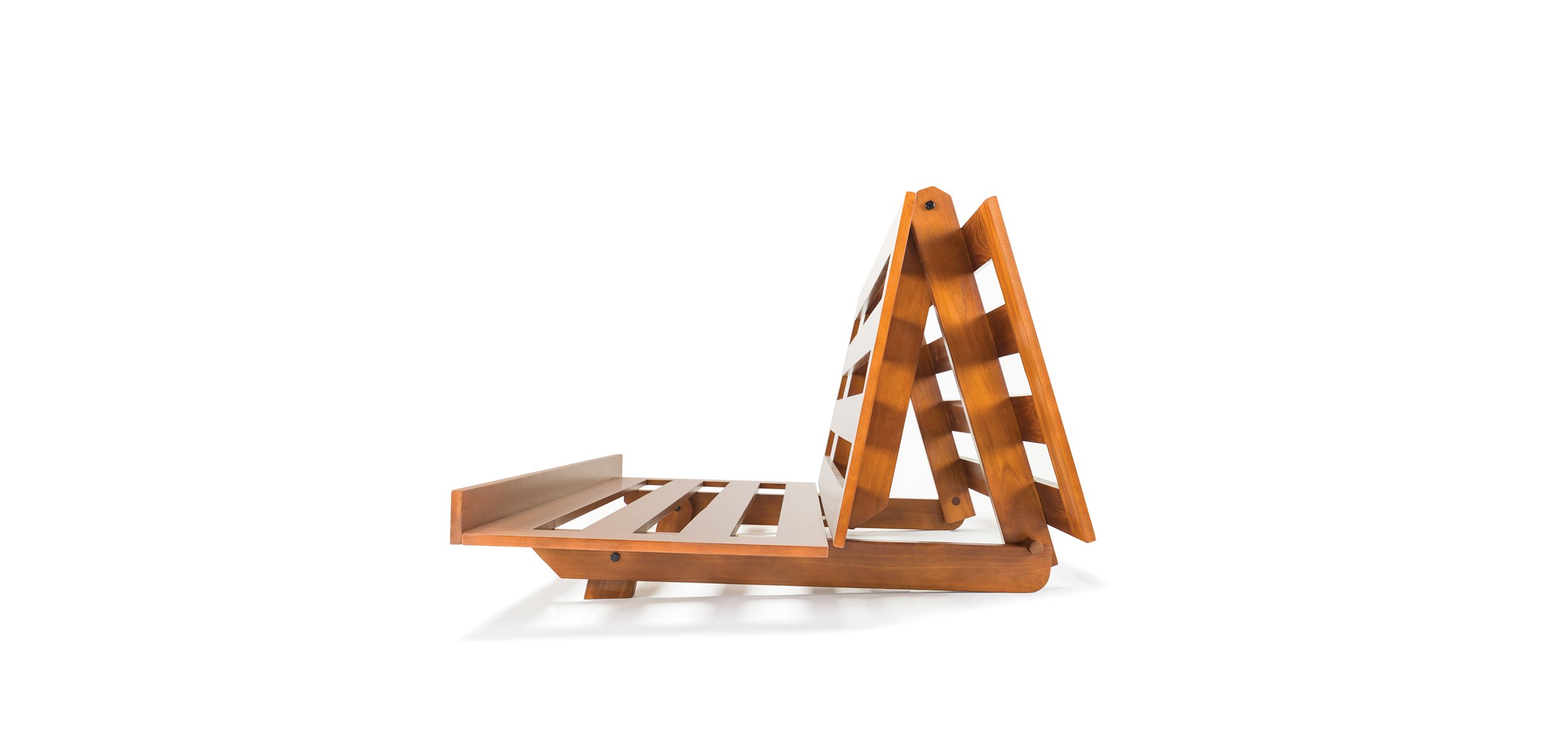
At Zen Natural Beds, we’ve always believed in letting natural materials do what they do best. Whether it’s organic latex mattresses or timber furniture finished like our folding sofa beds, with quality hardwax oils, the principle is the same – work with nature, not against it.